"Cape Mentelle wines reflect
the unique sense of place
of Margaret River
in their freshness, fruit purity and vibrancy of character."
Rob Mann, Estate Director
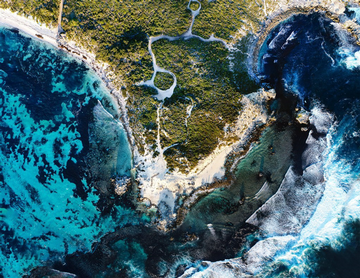
Since the first vineyards were planted in 1967 this prestigious wine region has been receiving international recognition for wines of exceptional quality. From idyllic forests to pristine surf beaches, award winning wines and fresh regional produce, Margaret River has much to offer.

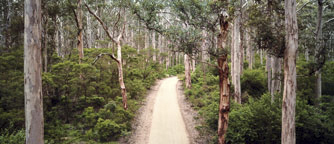
The brilliant idea of Margaret River as a wine growing region started as a “gut feeling”. Agriculturalist Dr John Gladstones knew the district well. He saw undulating, well-drained ironstone gravel soils carrying healthy marri trees (Eucalyptus callophylla) which were regarded in Western Australia as an indication of prime vineyard soils. Climate data suggested strong growing-season similarities to Bordeaux but warm, sunny Margaret River promised to be even better. The likely ripening period was drier, despite higher annual rainfall.
Temperatures were tempered by the maritime location and sea breezes from the Indian and Southern oceans. There was only a minimal risk of spring frost.
Gladstones recognised that the region possessed all the elements for growing Bordeaux grape varieties. Cape Mentelle, the Margaret River pathfinder, was one of the founding vineyards with planting beginning in 1970.
Some 40 years since the first vines were planted, the Margaret River wine region is recognised as one of the world’s finest. Today this thriving industry produces consistently high quality cabernet sauvignon, shiraz, sauvignon blanc, chardonnay and semillon to delight connoisseurs around the world.
Margaret River wineries have a reputation for producing wines with delightful individual fruit character that conjure up the sense of place for one of the most spectacular environments on earth.

Sub regionality is important when over many successive vintages a designated area that may be shared by a number of vineyards presents a distinct personality as expressed through the wines it produces that is clearly distinguishable from its neighbours.
What is of particular relevance is the personality of the site often transcends vintage conditions, varieties and wine making techniques. Cape Mentelle sources its fruit almost exclusively from the three un-official sub regions of Wilyabrup, (reds) Wallcliffe (reds and whites) and Karridale (whites) with the feature being cooler moderate tempertures in these regions and a close proximity to the ocean ensuring expressive varietal characters and elegant structured wines with well balanced natural acidity.
Our aim is make wines that taste of their origin and not of the variety or wine making and trust that with experience and maturity the origin of the fruit can consistently deliver the distinguishable personality and quality we desire in each of our wines.
The Wilyabrup sub region was home to the first vineyards in Margaret River with plantings beginning in 1966 by the Cullen Family on the site which is now Juniper Estate and whose vines only lasted a few seasons and in 1967 by Tom Cullity on the neighboring Vasse Felix property. The sub region is defined by John Gladstones as west of the Bussell hwy with drainage to the West and with an abundance of gravelly upland valley soils well suited to viticulture and home to tall stands of Marri trees (a great indicator of a soils potential for viticulture) The vineyards are within 10 km of the ocean and benefit from cooling afternoon south westerly sea breezes. This sub region is Margaret Rivers red varietal specialist with a concentration of great producers focusing on Cabernet Sauvignon and Bordeaux red varietals and blends which are characterised by their opulence with rich gravelly textures and ripe black fruits.
The Wallcliffe sub region which takes its name from a founding property on the banks of the Margaret River just prior to it emptying into the Indian Ocean was first planted to grapes in 1970 by the Hohnen family of Cape Mentelle whose original vineyard shares the Wallcliffe name. This sub region drains to the west and accounts for the catchment area of the Margaret River East and West of the township of Margaret River. The rainfall is slightly higher than Wilyabrup with higher corresponding cloud cover. The soils are more varied with patches of sloping gravelly loamy soils interspersed by areas of flat land. The prevailing afternoon South Westerly sea breezes are stronger and cooler and this area tends to ripen up to 2 weeks later than Wilyabrup. A vineyards proximity to the ocean is key with those closest having the mildest temperatures and these are perfectly suited to both white and red grapes with this sub region championing the regions Chardonnay along with blends of white and red Bordeaux varietals. The Cabernet from this region is more classically elegant with fine velvety tannins and bright varietal characters the hallmark.
The Karridale sub region is the largest and in relative terms the most recently developed for viticulture. It occupies the southern cooler third of the Margaret River region with much of the area within the catchment of the Blackwood River which drains to the South. A feature of the climate is a stronger influence of South Easterly winds coming from the Southern Ocean which are cooler and the result is typically more rainfall and cloud cover and later ripening. Although red varieties are widely planted the sub-region specialises in Sauvignon Blanc, Semillon and Chardonnay with the cooler ripening period ensuring high natural acidity and pristine varietal expression features favoured by the regions winemakers in producing the distinctive SBS or SSB blends the region is famous for.
What resulted was a steady ripening period leading up to a hot January and an early start to the harvest. Mild temperatures throughout February and March ensured fruit harvested in perfect condition and completed by early April prior to heavy late April rains.
The 2011 harvest in Margaret River was warm, dry and early and continues an excellent run of recent vintages. Warm nights and above average daily temperatures throughout the growing season led to very early ripening across all varieties with harvest commencing earlier than any of the last 5 vintages. Bright acidity and abundant flavour are the result of an outstanding early and warm vintage.
The 2010 harvest in Margaret River continues a run of excellent vintages again marked by a very dry and mild summer with below average rainfall and cooler than average night time temperatures.
The only significant rainfall for the vintage period was not until mid April after all the fruit had been harvested ensuring an excellent ripening period with fruit retaining pristine varietal flavours with great concentration and intensity.
A cool, wet and windy spring extended into the flowering period around November, setting up the season for low yields for all varieties. The sun came out on cue in December and perfect ripening conditions continued through harvest, interrupted only by a spot of rain at the start of March - enough to give the vines a drink and see all varieties harvested in optimal condition.
A wet winter and warm spring encouraged uniform growth in all varieties. An ideal flowering period in November with warm dry weather marked the beginning of a long dry spell lasting until mid-February setting up the vintage ripening period in near perfect mild and dry conditions. A standout vintage for Margaret River with white and red varieties both excelling.
The 2007 vintage was one of the earliest recorded vintages in Margaret River as a result of above average October to December temperatures in 2006 which promoted early and fast development of the vines. The ripening period from January onwards was mild however, which combined with excellent vine health, produced full flavoured, concentrated white wines with great aromatic intensity and lively fresh palates and solidly built reds with depth and structure.
The 2006 vintage in Margaret River was a challenging vintage for many reasons. In general it was a very cool vintage with a late budburst and restricted shoot growth early due to a very cool and dry 2005 spring. When some warm weather arrived in November shoot growth accelerated producing strong healthy canopies with moderate crops. The summer months proved to be unseasonally mild with occasional light rain. The result of the mild conditions was a harvest delayed by up to four weeks across all varieties the latest vintage recorded in the regions forty years of viticultural experience.
The preceding spring of the 2005 vintage began with enough rain in the soil to ensure that the vines got off to a good start with optimal vegetative growth. Generally dry and sunny conditions prevailed through a season of below average temperatures until March following completion of the white harvest when a sustained heatwave was relieved by two late bouts of rain which slowed things down nicely, allowing the remaining red fruit to successfully ripen in perfect Autumnal conditions.
With temperature and rainfall almost exactly on average for the growing season. A long warm and dry summer produced moderate yields with healthy canopies. The fruit ripened fully with rich tannins and great depth producing amongst the best quality across the region with the standout being the Cabernet Sauvignon which relishes a season free of extremes.
With two bouts of heat the first in December of 2002 and the second in March. Rainfall was below average and between the heat events temperatures were mild with a cool February enabling whites to be harvested to very good condition while the March heat pushed sugars up on reds resulting in big ripe wines with firm structures with harvest finishing earlier than average.
The 2002 vintage following on from a very warm 2001 harvest and by contrast was very cool and dry. The cool conditions particularly with cold night time temperatures resulted din high natural acid retention and fruit harvested with great flavour at lower than average potential alcohol. A great vintage for white wines with the reds more elegant and spicy than is typical.